
Hypolipidaemic Drugs & Plasma Expanders
Learning Objectives
At the end of this chapter, the Phase II MBBS student will be able to:
- Classify plasma lipoproteins (chylomicrons, VLDL, IDL, LDL, HDL, Lp(a)) and outline their metabolic pathways, linking each to atherogenesis. (PH1.31 — Knows)
- Explain the mechanism of action, comparative efficacy, pleiotropic effects and adverse effect profile of HMG-CoA reductase inhibitors (statins). (PH1.31 — Knows)
- Select statin intensity using the intensity table and monitor therapy using the SAMS framework, CK/hepatic monitoring and interaction screening. (PH1.31 — Knows-how)
- Describe ezetimibe, bile acid sequestrants and niacin — mechanisms, lipid effects, adverse effects and residual niches. (PH1.31 — Knows)
- Describe fibrates (PPAR-alpha agonists) with emphasis on hypertriglyceridaemia, fenofibrate vs gemfibrozil, and the fibrate-statin myopathy interaction. (PH1.31 — Knows)
- Explain PCSK9 biology and the injectable/novel agents (evolocumab, alirocumab, inclisiran, bempedoic acid, lomitapide, evinacumab) including use in familial hypercholesterolaemia. (PH1.31 — Knows)
- Construct a rational, risk-based lipid-lowering strategy with LDL-C goals, stepwise escalation and management of severe hypertriglyceridaemia. (PH1.31 — Knows-how)
- List the ideal properties of a plasma expander and compare human albumin, dextrans, gelatins and hydroxyethyl starch. (PH1.31 — Knows)
- Select a plasma expander rationally in shock, burns and liver disease, recognising HES restrictions and colloid-specific hazards. (PH1.31 — Knows-how)
Must-Know Summary
Dyslipidaemia is the major modifiable driver of atherosclerotic cardiovascular disease (ASCVD). Statins competitively inhibit HMG-CoA reductase, the rate-limiting enzyme of cholesterol synthesis; the fall in hepatocyte cholesterol activates SREBP-2, which upregulates hepatic LDL receptors, accelerating clearance of circulating LDL-C. High-intensity regimens (atorvastatin 40–80 mg, rosuvastatin 20–40 mg) lower LDL-C by at least 50%. Their signature toxicity is the SAMS spectrum — myalgia, myositis and rhabdomyolysis (CK more than 10 times ULN with myoglobinuria) — potentiated by CYP3A4 inhibitors (clarithromycin, itraconazole, cyclosporine) and gemfibrozil. Ezetimibe blocks the intestinal NPC1L1 sterol transporter (about 20% additional LDL fall). Fibrates are PPAR-alpha agonists that raise lipoprotein lipase activity — first line when triglycerides are 500 mg/dL or more (pancreatitis prevention); fenofibrate is preferred over gemfibrozil with statins. PCSK9 inhibitors (evolocumab, alirocumab) block PCSK9-mediated degradation of LDL receptors, recycling them to the hepatocyte surface for a further 60% LDL reduction; inclisiran (siRNA, twice-yearly) and bempedoic acid (no myopathy) extend options. Plasma expanders are high-molecular-weight colloids that hold fluid intravascularly: human albumin (safest, costly), dextrans (anaphylactoid reactions, bleeding, cross-matching interference — give dextran-1 hapten), hydroxyethyl starch (restricted: AKI and coagulopathy; suspended from the EU market, contraindicated in sepsis and critical illness) and gelatins (histamine-mediated reactions, cross-match safe).
- Statin mechanism — HMG-CoA reductase inhibition, SREBP-2 activation, hepatic LDL receptor upregulation
- High-intensity statins — atorvastatin 40–80 mg or rosuvastatin 20–40 mg: LDL-C fall of 50% or more
- Rhabdomyolysis — CK more than 10 times ULN with myoglobinuria; stop statin, hydrate, monitor renal function
- Deadliest statin interactions — CYP3A4 inhibitors (clarithromycin, itraconazole, cyclosporine) and gemfibrozil
- Statins in pregnancy — routine use still avoided; FDA (2021) removed the blanket contraindication — stop in most patients once pregnancy is recognised; continue only case-by-case in very-high-risk women (e.g. HoFH, prior ASCVD)
- Ezetimibe — NPC1L1 intestinal sterol transporter blockade; about 18–23% extra LDL reduction on a statin
- Fibrate niche — triglycerides 500 mg/dL or more (pancreatitis prevention); fenofibrate preferred with statins
- PCSK9 inhibitors — mAbs rescue LDL receptors from lysosomal degradation; about 60% additional LDL fall
- LDL-C goals (2025 ESC/EAS) — very-high risk below 55 mg/dL (plus ≥50% fall), high below 70, moderate below 100, low below 116; a new extreme-risk goal is below 40 mg/dL (recurrent events, polyvascular disease). The 2026 ACC/AHA guideline has likewise reinstated goals (<55 for very-high-risk ASCVD)
- Lp(a) — 2025 ESC/EAS: measure at least once in every adult's lifetime; ≥50 mg/dL is risk-enhancing
- Plasma expanders — albumin safest; HES suspended in the EU and restricted everywhere (renal injury, coagulopathy); dextran interferes with cross-matching
Classification
BOX 1 — HYPOLIPIDAEMIC DRUGS
HMG-CoA Reductase Inhibitors (Statins)
- High potency: atorvastatin, rosuvastatin
- Moderate potency: simvastatin, lovastatin, pravastatin, fluvastatin, pitavastatin
Cholesterol Absorption Inhibitor
- NPC1L1 blocker: ezetimibe
Bile Acid Sequestrants
- Cholestyramine, colestipol, colesevelam (also glucose-lowering)
Fibrates (PPAR-alpha Agonists)
- Fenofibrate, gemfibrozil, bezafibrate, ciprofibrate
Nicotinic Acid and Analogues
- Niacin (immediate/sustained release), acipimox
- Niacin + laropiprant — withdrawn from the EU market (2013) after HPS2-THRIVE
PCSK9 Inhibitors (Monoclonal Antibodies)
- Evolocumab, alirocumab
PCSK9 siRNA
- Inclisiran
ATP Citrate Lyase Inhibitor
- Bempedoic acid
Agents for HoFH and Severe Disorders
- MTP inhibitor: lomitapide
- apoB antisense: mipomersen — US approval withdrawn 2019; no longer marketed
- ANGPTL3 monoclonal antibody: evinacumab
- apoC-III antisense: volanesorsen (EU) and olezarsen (US, approved Dec 2024) — for familial chylomicronaemia syndrome
- LDL apheresis (device therapy)
Omega-3 Fatty Acids
- Icosapent ethyl (pure EPA), EPA/DHA combinations
BOX 2 — PLASMA EXPANDERS
Human Albumin
- 5% (isooncotic), 25% (hyperoncotic)
Dextrans
- Dextran-40 (10%), Dextran-70 (6%)
Gelatin Preparations
- Polygeline (Haemaccel), succinylated gelatin (Gelofusine)
Hydroxyethyl Starch
- HES 130/0.4 (6%) in saline or balanced solution — suspended from the EU market (2022); elsewhere restricted to acute bleeding hypovolaemia
Historical/Obsolete
- Polyvinylpyrrolidone (PVP)
Core Concepts
Lipoprotein physiology in one pass
Plasma lipids (cholesterol, cholesteryl esters, triglycerides, phospholipids) circulate inside lipoprotein particles — a hydrophobic triglyceride/cholesteryl-ester core wrapped in a phospholipid monolayer carrying apolipoproteins that act as enzyme cofactors and receptor ligands.
Apolipoproteins that matter pharmacologically:
- ApoB48 — intestinal protein of chylomicrons; ApoB100 — hepatic protein of VLDL, IDL and LDL, and the ligand for the LDL receptor.
- ApoA-I — structural protein of HDL and cofactor for LCAT.
- ApoC-II — the obligatory cofactor for lipoprotein lipase (LPL); absence causes severe hypertriglyceridaemia.
- ApoC-III — inhibits LPL and remnant uptake (a modern drug target); ApoE — mediates hepatic uptake of chylomicron and VLDL remnants.
Exogenous pathway: dietary triglyceride is packaged in enterocytes (by microsomal triglyceride transfer protein, MTP) into chylomicrons (apoB48), which enter blood via lymph. Capillary lipoprotein lipase (activated by apoC-II) hydrolyses the core triglyceride for tissue uptake, and the chylomicron remnant is cleared by the liver through apoE receptors.
Endogenous pathway: the liver secretes VLDL (apoB100); LPL converts it to IDL, and hepatic lipase converts IDL to LDL, which carries most plasma cholesterol and is cleared by the hepatic LDL receptor — the pivot of all LDL-lowering therapy.
Reverse cholesterol transport: HDL (apoA-I) accepts peripheral cholesterol through ABCA1, matures it via LCAT, and hands it to the liver via SR-BI or through CETP, which exchanges HDL cholesteryl ester for VLDL/LDL triglyceride.
Atherogenesis: LDL is retained and oxidised in the arterial intima, is engulfed by macrophage scavenger receptors (SR-A, CD36) to form foam cells — the seed of the fatty streak and the vulnerable plaque. Triglyceride-rich remnants and Lp(a) add independent risk.
Lp(a): an LDL particle whose apoB100 carries apolipoprotein(a), plasminogen-like and prothrombotic. The 2025 ESC/EAS focused update advises measuring Lp(a) at least once in every adult's lifetime; values ≥50 mg/dL (105 nmol/L) are risk-enhancing. Specific Lp(a)-lowering drugs (pelacarsen, olpasiran, muvalaplin) are in outcome trials — none is yet approved for Lp(a) lowering.
PCSK9 physiology: the liver secretes PCSK9, a serine protease that binds the internalised LDLR–LDL complex and diverts both to lysosomal destruction instead of letting the receptor recycle to the surface. Loss-of-function PCSK9 variants produce lifelong low LDL-C and few infarcts — the basis of PCSK9 inhibitor therapy.
Statins — HMG-CoA reductase inhibitors
Available agents: atorvastatin, rosuvastatin (most potent), simvastatin, lovastatin, pravastatin, fluvastatin and pitavastatin.
Mechanism (the exam chain): statins competitively inhibit HMG-CoA reductase, the rate-limiting enzyme converting HMG-CoA to mevalonate. The fall in hepatocyte cholesterol releases SREBP-2, which upregulates LDL receptor transcription — more hepatic receptors clear more circulating LDL-C. VLDL synthesis also falls, triglycerides fall mildly and HDL-C rises slightly.
Pleiotropic effects: improved endothelial function (nitric oxide availability), plaque stabilisation (reduced metalloproteinases), anti-inflammatory action (lower hsCRP — JUPITER trial) and reduced platelet aggregability.
Efficacy — the intensity table: each doubling of dose adds about 6% further LDL fall (the "rule of 6"). High intensity lowers LDL-C 50% or more (atorvastatin 40–80 mg; rosuvastatin 20–40 mg); moderate 30–49%; low under 30%.
Pharmacokinetics: lipophilic statins (simvastatin, lovastatin, atorvastatin) depend on CYP3A4; rosuvastatin and fluvastatin use CYP2C9; pravastatin and pitavastatin need negligible CYP metabolism. Atorvastatin has long-lived active metabolites (any-time dosing); rosuvastatin is partly renal (start 5 mg and cap at 10 mg if eGFR is below 30 mL/min; start 5 mg in patients of Asian ancestry); hydrophilic statins (pravastatin, rosuvastatin) penetrate muscle least.
Adverse effects:
- SAMS spectrum — myalgia (5–10%), myositis (CK raised), and rhabdomyolysis: CK more than 10 times ULN with myoglobinuria, dark urine and risk of acute kidney injury. Risk factors: high dose, age over 70, female sex, low body mass, hypothyroidism, vitamin D deficiency, renal or hepatic impairment, interacting drugs.
- Hepatotoxicity — dose-related transaminase rise; stop if above 3 times ULN.
- New-onset type 2 diabetes — about 2 extra cases per 1000 patient-years, dose-related; cardiovascular benefit overwhelmingly outweighs this.
- Pregnancy — the FDA removed the class contraindication in July 2021 because observational studies showed no excess teratogenicity. Routine use is still discouraged: stop the statin in most patients once pregnancy is recognised, and continue only case-by-case where maternal risk is very high (HoFH, established ASCVD). Statins remain safe to prescribe in women who are not pregnant but may become pregnant; breastfeeding is still not advised while on a statin.
Interactions (favourite MCQ stem): CYP3A4 inhibitors — clarithromycin, erythromycin, itraconazole, HIV protease inhibitors, cyclosporine, grapefruit juice — multiply simvastatin/atorvastatin exposure and myopathy risk. Gemfibrozil inhibits statin glucuronidation and OATP1B1 uptake — the worst fibrate to combine. The simvastatin 80 mg dose is FDA-restricted (caps: 20 mg with amlodipine, 10 mg with diltiazem or verapamil).
SAMS management: stop the statin, check CK and TSH, exclude secondary causes; rechallenge with a low dose of a hydrophilic statin (rosuvastatin or pravastatin), alternate-day dosing, or switch to ezetimibe (or bempedoic acid).
Monitoring: lipid panel 4–12 weeks after starting or titrating, then 3–12 monthly; baseline ALT; CK only if symptoms or high predisposition.
Ezetimibe — cholesterol absorption inhibitor
Ezetimibe selectively blocks the NPC1L1 (Niemann-Pick C1-Like 1) sterol transporter at the intestinal brush border, halving absorption of dietary and biliary cholesterol. Alone it lowers LDL-C 18–23%; added to a statin a further 15–20% — the IMProve-IT trial proved fewer cardiovascular events when ezetimibe was added to simvastatin after an acute coronary syndrome. Adverse effects are minor (diarrhoea, headache); no routine monitoring. It is the standard first add-on and the lead alternative in statin intolerance (also the specific remedy in sitosterolaemia).
Bile acid sequestrants
Cholestyramine, colestipol and colesevelam are non-absorbed resins that bind bile acids in the gut, interrupting the enterohepatic circulation; the liver consumes cholesterol to synthesise new bile acids and upregulates LDL receptors (same end-point as statins, different route). LDL-C falls 15–30%, but triglycerides rise — avoid above 300 mg/dL and contraindicate above 500 mg/dL. Luminal adverse effects: bloating, constipation; they also bind fat-soluble vitamins (A, D, E, K) and co-administered drugs (warfarin, digoxin, thyroxine, oral contraceptives) — hence the rule: give other medicines 1 hour before or 4 hours after the resin. Colesevelam is best tolerated and additionally approved for glucose lowering in type 2 diabetes. Being unabsorbed, sequestrants are safe in pregnancy — the only class routinely usable.
Niacin (nicotinic acid)
At gram doses niacin is the broadest-spectrum lipid drug: HDL-C up 15–35% (blocks HDL catabolism, inhibits CETP), LDL-C down 10–20%, triglycerides down 20–40% — it activates GPR109A on adipocytes, switching off lipolysis and starving VLDL synthesis of free fatty acids. The signature adverse effect is prostaglandin D2-mediated flushing, prevented by aspirin 30 minutes before the dose (or the DP1 antagonist laropiprant — niacin/laropiprant was withdrawn from Europe in 2013); also hyperuricaemia and gout, hyperglycaemia, acanthosis and hepatotoxicity (sustained-release forms). Outcome trials on statins (AIM-HIGH, HPS2-THRIVE) showed no benefit, so niacin's niche has virtually disappeared.
Fibrates — PPAR-alpha agonists
Fenofibrate and gemfibrozil are PPAR-alpha agonists: they raise lipoprotein lipase and suppress apoC-III, so triglycerides fall 30–50% and HDL-C rises 10–20%. Indication: drug of first choice when triglycerides are 500 mg/dL or more (pancreatitis prevention); ACCORD-lipid showed no overall added benefit of fenofibrate on a statin (residual value when TG are high and HDL low). Fenofibrate is the fibrate to combine with statins — gemfibrozil inhibits statin glucuronidation and OATP1B1 uptake, multiplying myopathy risk. Adverse effects: cholelithiasis (more biliary cholesterol), a reversible creatinine rise, myopathy, raised fibrinogen. Avoid in gallbladder disease and severe renal or hepatic impairment (fenofibrate is avoided when eGFR is below 30 mL/min; gemfibrozil also needs dose care in CKD).
PCSK9 inhibitors and the novel injectables
PCSK9 monoclonal antibodies — evolocumab and alirocumab: subcutaneous injections (evolocumab 140 mg every 2 weeks or 420 mg monthly; alirocumab 75–150 mg every 2 weeks) that neutralise circulating PCSK9, sparing LDL receptors from lysosomal degradation and returning them to the hepatocyte surface — a further 55–65% LDL-C fall even on maximal statins, with proven outcome benefit (FOURIER, ODYSSEY OUTCOMES). Adverse effects: injection-site reactions, nasopharyngitis, flu-like symptoms.
Inclisiran: a GalNAc-conjugated small interfering RNA that directs destruction of hepatic PCSK9 messenger RNA — 300 mg subcutaneously on day 0 and at 3 months, then only twice a year; LDL-C falls about 50% (ORION programme, including the long-term ORION-8). The practical answer when injection adherence fails.
Bempedoic acid: an oral prodrug inhibiting ATP citrate lyase, upstream of HMG-CoA reductase. Activated only in liver (very long-chain acyl-CoA synthetase-1, absent from muscle) — hence no SAMS — making it the statin-intolerance option (CLEAR Outcomes, 2023: 13% relative reduction in four-point MACE in statin-intolerant patients). Watch hyperuricaemia/gout and a tendon-rupture warning.
Drugs for homozygous FH and severe disorders
In homozygous familial hypercholesterolaemia (HoFH) the LDL receptor itself is defective, so receptor-upregulating drugs underperform. Options: lomitapide (MTP inhibitor — blocks apoB lipoprotein assembly; hepatosteatosis limits use), evinacumab (monoclonal antibody against ANGPTL3; IV 15 mg/kg every 4 weeks; lowers LDL-C about 47% at 24 weeks in ELIPSE HoFH, independently of the LDL receptor; FDA-approved, label now from age 1 year), mipomersen (apoB antisense; US approval withdrawn 2019) and LDL apheresis every 1–2 weeks.
Omega-3 fatty acids and severe hypertriglyceridaemia
Icosapent ethyl (pure EPA, 2 g twice daily) reduced cardiovascular events by 25% in REDUCE-IT in statin-treated patients with TG 135–499 mg/dL — watch atrial fibrillation (hospitalisation 3.1% vs 2.1%) and a bleeding trend. Mixed EPA/DHA preparations were neutral in STRENGTH, and RESPECT-EPA marginally missed significance, so the pure-EPA benefit remains debated but is guideline-endorsed for REDUCE-IT-type patients. Volanesorsen (apoC-III antisense; EU-approved for familial chylomicronaemia) drops triglycerides over 70% but causes thrombocytopenia; olezarsen, a GalNAc-conjugated apoC-III antisense, became the first FDA-approved drug for familial chylomicronaemia syndrome in December 2024.
Rational strategy — risk first, drug second
ESC/EAS categories (2019; retained with additions by the 2025 focused update):
- Very high risk — established ASCVD (prior MI, stroke, symptomatic PAD, revascularisation); diabetes with target-organ damage, long duration or another major risk; severe CKD (eGFR below 30); FH with ASCVD. Goal: LDL-C below 55 mg/dL AND a fall of at least 50%.
- Extreme risk (new in 2025) — recurrent vascular events on maximally tolerated statin-based therapy, or polyvascular disease. Goal: below 40 mg/dL.
- High risk — FH without other risks; markedly raised single risk factor (LDL above 190 mg/dL); diabetes without organ damage; moderate CKD (eGFR 30–59). Goal: below 70 mg/dL.
- Moderate risk — young type 1 diabetes; most middle-aged hypertensives. Goal: below 100 mg/dL.
- Low risk — goal below 116 mg/dL.
The 2018 ACC/AHA guideline emphasised percentage reduction (high intensity = 50% or more) rather than goals — but the 2026 ACC/AHA dyslipidaemia guideline has reinstated absolute LDL-C goals: below 100 mg/dL for borderline/intermediate primary prevention, below 70 mg/dL at high risk, and below 55 mg/dL (with non-HDL-C below 85 mg/dL) for very-high-risk secondary prevention.
Stepwise ladder: lifestyle (Mediterranean-style diet, exercise, smoking cessation, alcohol moderation) — then maximally tolerated statin — then add ezetimibe — then add a PCSK9 inhibitor (inclisiran or bempedoic acid by indication and access) — FH pathways (specialist lipid clinic, apheresis, evinacumab or lomitapide for HoFH). The 2025 ESC/EAS update encourages early combination therapy rather than slow sequential titration. Recheck the lipid panel 4–12 weeks after every step.
Triglyceride rule: with TG below 500 mg/dL, ASCVD risk dominates — statin first; with TG 500 mg/dL or more, pancreatitis prevention dominates — fibrate or omega-3 first, plus control of diabetes, alcohol and culprit drugs (thiazides, beta-blockers, isotretinoin, oestrogen, protease inhibitors). Hypertriglyceridaemic pancreatitis (TG usually above 1000 mg/dL) is treated supportively; an IV insulin infusion activates lipoprotein lipase and clears triglycerides; plasmapheresis is rescue therapy.
Familial hypercholesterolaemia (FH): suspect with LDL-C above 190 mg/dL in adults, tendon xanthomas or premature coronary disease in the family (Dutch Lipid Clinic Network criteria). HeFH (about 1 in 250) usually reaches goal on statin plus ezetimibe plus a PCSK9 inhibitor; HoFH presents in childhood with LDL above 500 mg/dL, cutaneous or tendon xanthomas and aortic stenosis — needs early specialist therapy, with cascade screening of first-degree relatives in all FH.
Plasma expanders
Plasma expanders are high-molecular-weight colloids that exert oncotic pressure and hold fluid intravascularly, bridging hypovolaemia until blood, crystalloid or definitive therapy is available.
Ideal properties (classic viva list): oncotic pressure comparable to plasma; remain intravascular and not leak; pharmacodynamically inert; non-pyrogenic and non-antigenic; no interference with blood grouping or cross-matching; stable, easily sterilised, cheap; eventually metabolised or excreted. No real product meets all criteria.
Crystalloid versus colloid: crystalloids (normal saline, Ringer lactate, balanced solutions) remain first-line resuscitation fluids; colloids are reserved for niches — severe hypoalbuminaemia, the need for sustained oncotic pull with restricted salt and water, or when very large crystalloid volumes would cause tissue oedema.
Human albumin: 5% is isooncotic (expands roughly the volume infused); 25% is hyperoncotic, mobilising about 3.5–5 times its volume from the interstitium — chosen when oncotic pressure is low with overload (cirrhosis with oedema). Evidence-based niches: large-volume paracentesis (over 5 L) and spontaneous bacterial peritonitis in cirrhosis, hepatorenal syndrome (with terlipressin), and considered after adequate crystalloid in septic shock (Surviving Sepsis 2021, weak recommendation). No coagulopathy, no cross-match interference; drawbacks: expense, scarce supply, volume overload (TACO) and trace aluminium accumulation with prolonged use in renal failure.
Dextrans: synthetic glucose polymers. Dextran-70 (6%) is the volume expander (persists 12–24 h); dextran-40 (10%) improves rheology and microcirculatory flow but is shorter-acting and, in dehydration, can precipitate acute renal failure from tubular obstruction by dextran casts. Hazards: anaphylactoid reactions from pre-formed dextran-reactive antibodies — pre-treat with dextran-1 (Promit) hapten; a bleeding diathesis (impaired platelet function, reduced von Willebrand factor and factor VIII); and rouleaux formation that invalidates blood grouping and cross-matching — send the cross-match sample before infusion.
Hydroxyethyl starch (HES 130/0.4): an effective 12–24 h expander — but the most restricted colloid today. The 6S and CHEST trials showed acute kidney injury requiring renal replacement and coagulopathy (an acquired von Willebrand-like defect with low factor VIII and factor XIII plus impaired platelet function) in the critically ill, with a mortality signal in sepsis. The European Commission suspended HES marketing authorisations across the EU in May 2022 after continued off-label use; the US FDA retains a boxed warning restricting HES to acquired hypovolaemia from acute bleeding when crystalloids alone are insufficient, contraindicating it outright in critically ill patients, sepsis and renal impairment, with dose caps and renal/coagulation monitoring. Check your hospital formulary — in most ICUs today the practical answer is "HES: no."
Gelatins (polygeline/Haemaccel 3.5%; succinylated gelatin/Gelofusine 4%): mean molecular weight about 30 kDa; expand roughly the infused volume for only 3–5 hours — the shortest-lived colloid, useful as a bridge. Histamine-mediated anaphylactoid reactions are the main hazard (infuse slowly; antihistamine support); they do not interfere with cross-matching, are not nephrotoxic and cause no clinically important coagulopathy. Reasonable when a colloid is genuinely needed and albumin is unavailable.
Obsolete: polyvinylpyrrolidone (PVP) — stored indefinitely in reticuloendothelial cells; of historical interest only.
Tables
Table 1 — Statin intensity table with expected LDL-C reduction
| Intensity | Expected LDL-C fall | Agents and doses |
|---|---|---|
| High | ≥50% | Atorvastatin 40–80 mg; Rosuvastatin 20–40 mg |
| Moderate | 30–49% | Atorvastatin 10–20 mg; Rosuvastatin 5–10 mg; Simvastatin 20–40 mg; Pravastatin 40–80 mg; Lovastatin 40 mg; Fluvastatin 80 mg; Pitavastatin 2–4 mg |
| Low | <30% | Simvastatin 10 mg; Pravastatin 10–20 mg; Fluvastatin 20–40 mg; Lovastatin 20 mg |
Table 2 — Individual statins: pharmacokinetics and interaction risk
| Statin | Solubility | Metabolism | Key distinctions |
|---|---|---|---|
| Atorvastatin | Lipophilic | CYP3A4 | Most used; long half-life of active metabolites; any-time dosing; potent |
| Simvastatin | Lipophilic | CYP3A4 (prodrug) | Highest myopathy burden; 80 mg restricted; dose caps with amlodipine/verapamil/diltiazem |
| Lovastatin | Lipophilic | CYP3A4 (prodrug) | First statin; evening dose with food; fungal-derived |
| Rosuvastatin | Hydrophilic | Minimal (CYP2C9 minor) | Most potent per mg; partly renal — start 5 mg, cap 10 mg if eGFR <30; start 5 mg in patients of Asian ancestry |
| Pravastatin | Hydrophilic | None (sulfation) | Least interactions; safest with cyclosporine regimens (still caution); least potent |
| Fluvastatin | Hydrophilic | CYP2C9 | Least potent; useful in CKD and with cyclosporine |
| Pitavastatin | Hydrophilic | Minimal CYP | Does not raise HbA1c signal; once-daily low dose |
Table 3 — Non-statin oral agents: mechanism, lipid effect, niche and hazard
| Drug | Mechanism | Lipid effect (typical) | Key adverse effect | Current niche |
|---|---|---|---|---|
| Ezetimibe | Blocks NPC1L1 sterol transporter | LDL ↓18–23%; TG ↓5–10% | Diarrhoea, headache (well tolerated) | First add-on to statin; statin intolerance; sitosterolaemia |
| Fenofibrate | PPAR-alpha agonist | TG ↓30–50%; HDL ↑10–20% | Cholelithiasis; creatinine rise; myopathy | TG ≥500 mg/dL; the fibrate of choice with statins |
| Gemfibrozil | PPAR-alpha agonist | As fenofibrate | Same, plus worst statin myopathy interaction | Fibrate monotherapy only; avoid with statins |
| Cholestyramine / Colestipol | Bind bile acids in gut; upregulate LDLR | LDL ↓15–30%; TG rise | Constipation, bloating; bind vitamins A D E K and drugs | Pregnancy-safe LDL lowering; additive therapy |
| Colesevelam | Same, engineered resin | LDL ↓15–18% | Better GI tolerance; fewer binding events | Also approved for type 2 diabetes glucose lowering |
| Niacin | GPR109A on adipocytes; blocks lipolysis; inhibits CETP | HDL ↑15–35%; LDL ↓10–20%; TG ↓20–40% | Flushing (PGD2 — aspirin prevents); hyperuricaemia; hyperglycaemia; hepatotoxicity (SR form) | Historically broadest; niche abandoned after AIM-HIGH, HPS2-THRIVE |
| Bempedoic acid | ATP citrate lyase inhibitor (liver-activated) | LDL ↓15–25% | Hyperuricaemia/gout; tendon rupture | Statin-intolerant (no SAMS); CLEAR Outcomes 13% MACE reduction |
Table 4 — Injectable and novel lipid-lowering agents
| Agent | Mechanism | Dosing | LDL/TG effect | Indication and trial |
|---|---|---|---|---|
| Evolocumab | mAb neutralises PCSK9 | 140 mg SC every 2 weeks or 420 mg monthly | LDL ↓55–65% | ASCVD/FH; FOURIER |
| Alirocumab | mAb neutralises PCSK9 | 75–150 mg SC every 2 weeks | LDL ↓50–60% | Post-ACS/FH; ODYSSEY OUTCOMES |
| Inclisiran | siRNA degrades PCSK9 mRNA | 300 mg SC at 0 and 3 months, then twice yearly | LDL ↓~50% | ASCVD/FH with adherence issues; ORION |
| Lomitapide | MTP inhibitor (blocks apoB assembly) | Oral, specialised centres | LDL ↓40–50% | HoFH; hepatosteatosis limits use |
| Evinacumab | mAb vs ANGPTL3 | IV 15 mg/kg every 4 weeks | LDL ↓~47% independent of LDLR | HoFH aged ≥1 year (works without LDL receptors); ELIPSE HoFH |
| Volanesorsen | apoC-III antisense | SC weekly | TG ↓>70% | Familial chylomicronaemia (EU); thrombocytopenia |
| Olezarsen | apoC-III antisense (GalNAc) | SC monthly | TG ↓~50–60% | First FDA-approved drug for FCS (Dec 2024); Balance trial |
| Icosapent ethyl | Pure EPA omega-3 (mechanism debated) | 2 g orally twice daily | TG ↓20–30%; CV events ↓25% | Statin-treated TG 135–499 mg/dL; REDUCE-IT |
Table 5 — Risk-based LDL-C goals (ESC/EAS 2019, retained by the 2025 focused update)
| Risk category | Examples | LDL-C goal |
|---|---|---|
| Extreme (2025) | Recurrent vascular events on maximal statin therapy; polyvascular disease | <40 mg/dL |
| Very high | Established ASCVD; DM with organ damage or long duration; eGFR <30; FH with ASCVD | <55 mg/dL AND ≥50% fall |
| High | FH without other risks; LDL >190 mg/dL; DM without organ damage; eGFR 30–59 | <70 mg/dL |
| Moderate | Young T1DM; most middle-aged hypertensives | <100 mg/dL |
| Low | Otherwise healthy adults | <116 mg/dL |
For comparison, the 2026 ACC/AHA guideline now also sets absolute goals: <100 mg/dL (borderline/intermediate primary prevention), <70 mg/dL (high risk) and <55 mg/dL with non-HDL-C <85 mg/dL (very-high-risk secondary prevention); percentage reduction (≥50% at higher risk) remains a parallel priority.
Table 6 — Plasma expanders master comparison
| Property | Human Albumin 5% / 25% | Dextran-40 / Dextran-70 | HES 130/0.4 | Gelatin (Polygeline) |
|---|---|---|---|---|
| Molecular weight | 66 kDa | 40 kDa / 70 kDa | 130 kDa | 30 kDa |
| Expansion vs volume infused | 1:1 / 25% pulls 3.5–5× its volume from interstitium | Dextran-40 ~1.5–2× (short-lived); Dextran-70 ~1–1.5× | Roughly 1:1 | Roughly 1:1 |
| Intravascular persistence | Long | 4–6 h / 12–24 h | 12–24 h | 3–5 h (shortest) |
| Indications | Cirrhosis (LVP >5 L, SBP), HRS with terlipressin, septic shock after crystalloid | Historical: shock bridge, venous thrombosis prophylaxis, improve rheology | Acute bleeding hypovolaemia only, where still marketed (EU: suspended 2022) | Bridge colloid when albumin unavailable |
| Renal safety | Safe | Dextran-40: ARF from tubular casts in dehydration | AKI/renal replacement risk | Safe |
| Coagulation | None | Platelet dysfunction, low vWF, VIII and XIII | Acquired von Willebrand-like defect | Minimal |
| Cross-matching | No interference | Rouleaux — interferes; sample first | No significant interference | No interference |
| Hypersensitivity | Rare | Anaphylactoid — prevent with dextran-1 hapten | Pruritus, rare anaphylactoid | Histamine-mediated reactions — infuse slowly |
| Key restriction | Cost, supply, TACO | Largely replaced | EU marketing authorisations suspended (2022); FDA boxed warning; contraindicated in sepsis, burns, critical illness, renal impairment, intracranial bleeding | Short duration |
Figures
Figure 1 — Lipoprotein transport pathways with sites of hypolipidaemic drug action
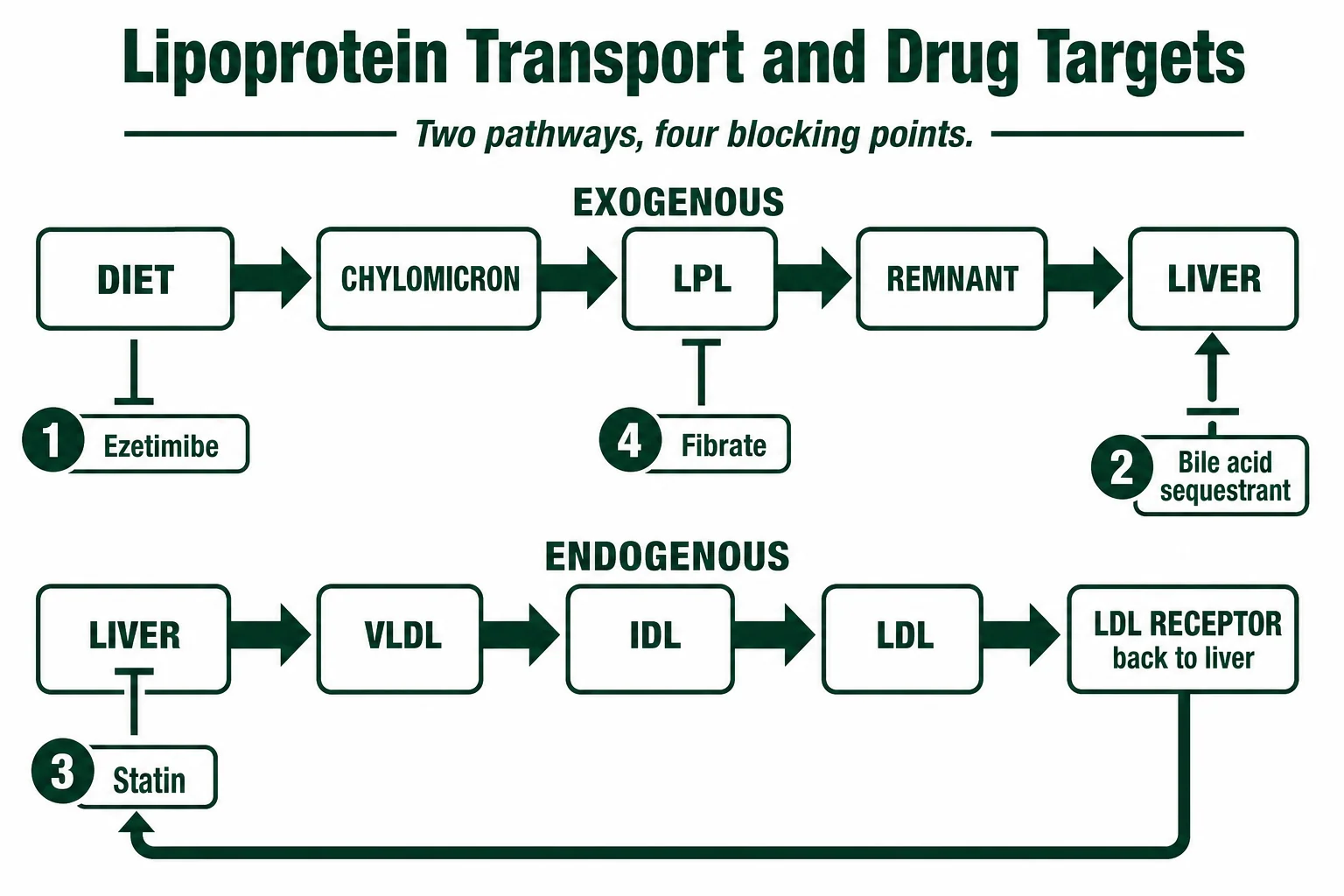
Diagram of the exogenous and endogenous lipoprotein transport pathways with reverse cholesterol transport, annotated with the sites of action of ezetimibe, bile acid sequestrants, statins, PCSK9 inhibitors and fibrates.
Figure 2 — The LDL-receptor axis: statin and PCSK9 inhibitor mechanisms
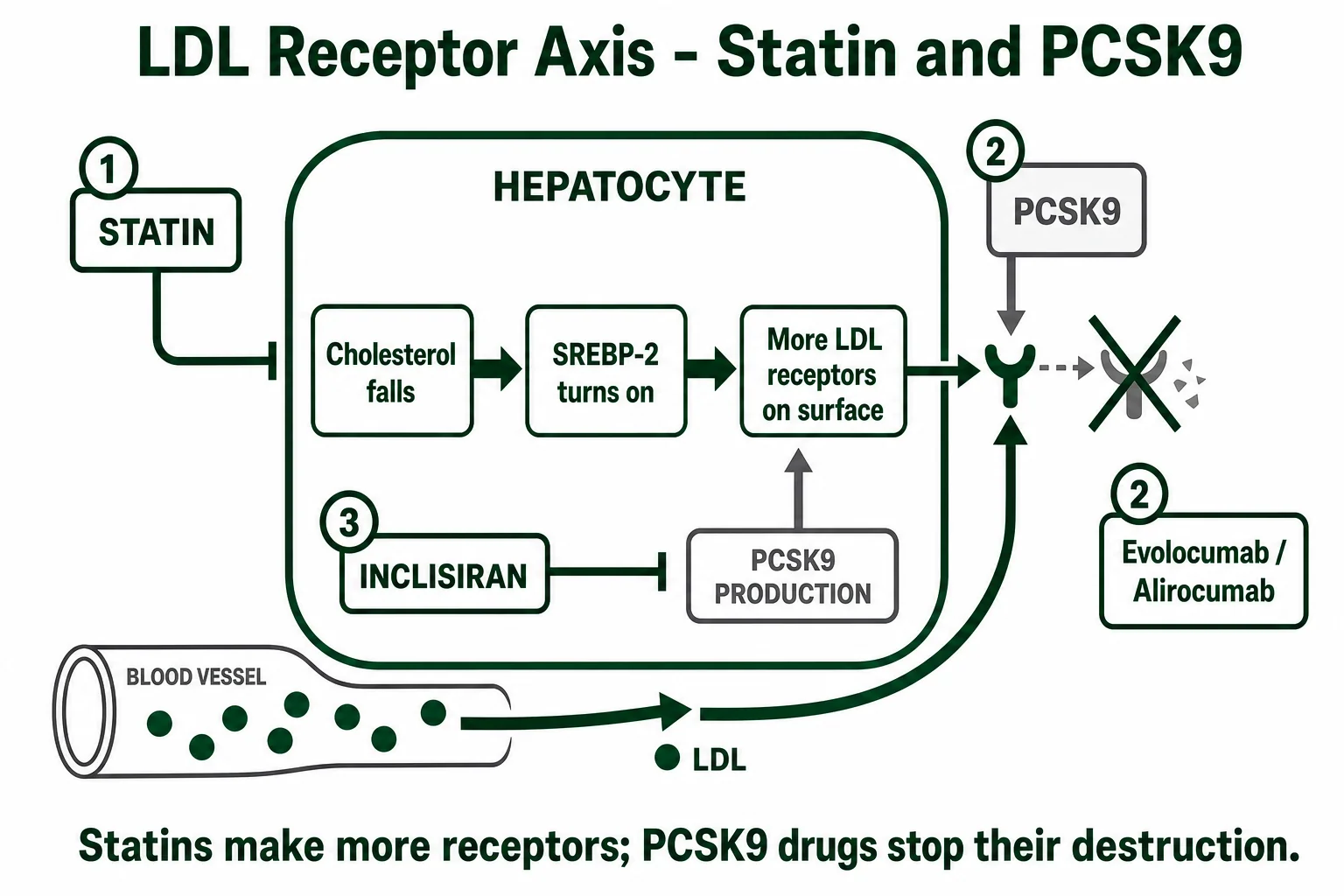
Hepatocyte diagram showing statin inhibition of HMG-CoA reductase activating SREBP-2 and LDL receptor upregulation, PCSK9-mediated receptor degradation, and blockade of PCSK9 by monoclonal antibodies and inclisiran.
Figure 3 — Plasma expanders: colloid classes, uses and hazards
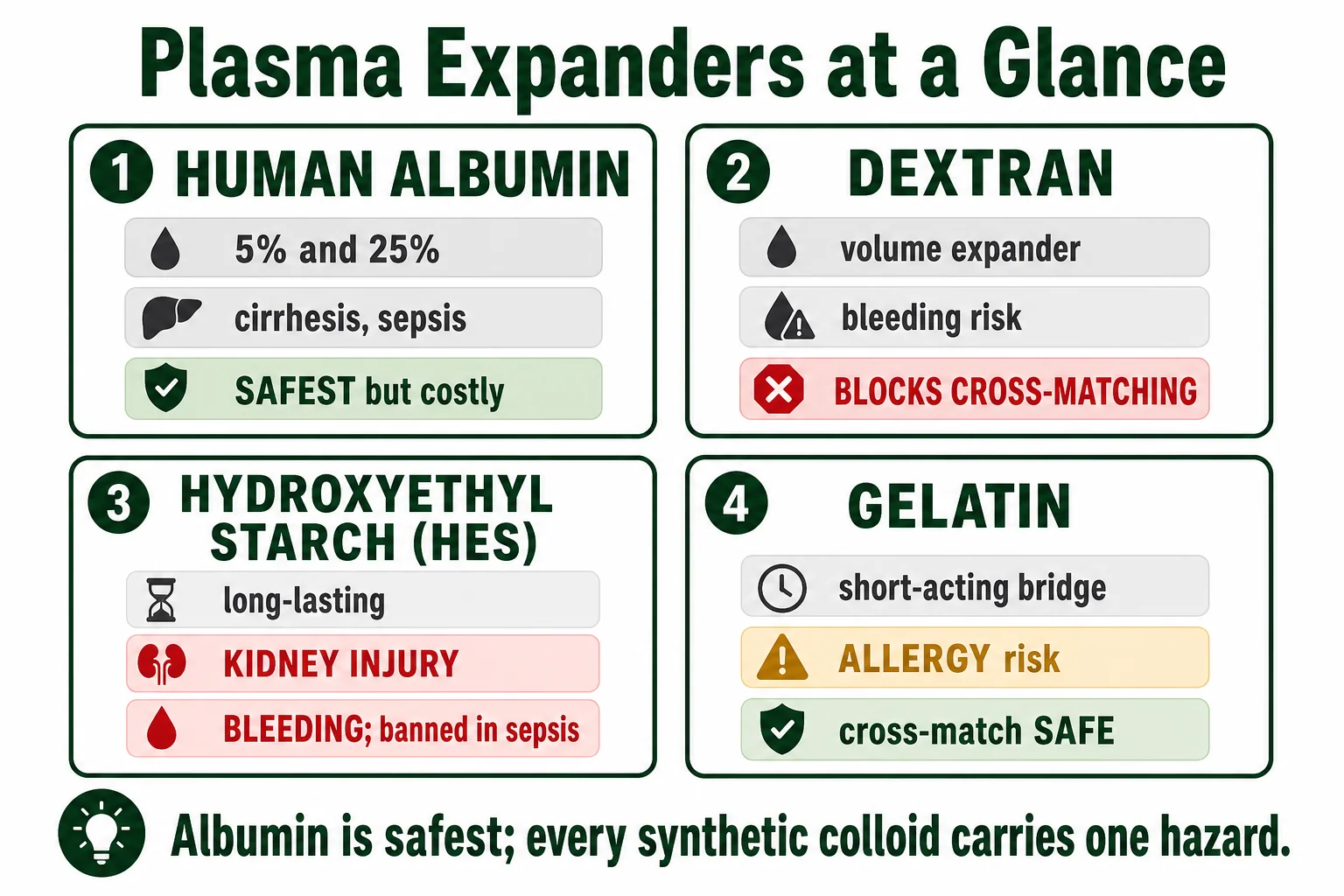
Four-panel comparison infographic of plasma expanders — albumin, dextran, hydroxyethyl starch and gelatin — with their uses and principal hazards.
Clinical Correlation
Vignette 1 — Rhabdomyolysis from a statin-macrolide interaction
A 58-year-old man on stable atorvastatin 40 mg is prescribed clarithromycin for community-acquired pneumonia. Five days later he presents with diffuse severe myalgia, weakness and dark brown urine. CK is 38,000 U/L (more than 10 times ULN), serum creatinine has risen from 0.9 to 2.1 mg/dL, and urine tests positive for blood (myoglobinuria). Statin and clarithromycin are stopped immediately; he receives aggressive IV crystalloid hydration, and renal function recovers over 72 hours. TSH is checked (normal). After 6 weeks he is rechallenged with low-dose rosuvastatin 5 mg on alternate days plus ezetimibe 10 mg, which he tolerates.
Reasoning: Clarithromycin is a potent CYP3A4 inhibitor; atorvastatin is CYP3A4-dependent, so its plasma levels multiply several-fold, precipitating the severest end of the SAMS spectrum — rhabdomyolysis with myoglobinuric acute kidney injury. Management is supportive: stop both drugs, hydrate vigorously and monitor CK/renal function. Rechallenge strategy after recovery uses a hydrophilic statin (rosuvastatin or pravastatin) at low dose/alternate-day — minimal CYP3A4 exposure — with ezetimibe (or bempedoic acid) to recover LDL control. Any future need for a macrolide should prefer azithromycin (no CYP3A4 inhibition).
Vignette 2 — Acute pancreatitis with severe hypertriglyceridaemia
A 42-year-old man with poorly controlled type 2 diabetes and heavy alcohol intake presents with severe epigastric pain radiating to the back. Serum is visibly lipaemic; triglycerides are 2,400 mg/dL, lipase elevated. He is managed with analgesia, IV fluids and nil by mouth; an IV insulin infusion is started, which steadily lowers triglycerides over 48 hours. After recovery he is discharged on fenofibrate 145 mg daily plus an omega-3 preparation, with intensified glycaemic control and strict alcohol cessation; atorvastatin 40 mg is added for his ASCVD risk.
Reasoning: Triglycerides above 1000 mg/dL cause pancreatitis by sludging chylomicrons in pancreatic microvasculature. Insulin activates lipoprotein lipase, accelerating triglyceride clearance — the fastest practical tool (plasmapheresis is reserved for refractory cases). For prevention, fibrates are first line when TG are 500 mg/dL or more (statins are weak TG-lowerers); fenofibrate is chosen because it may later be combined with his statin safely, unlike gemfibrozil. Secondary causes — diabetes, alcohol — must be treated simultaneously or the triglycerides will rebound.
Vignette 3 — Familial hypercholesterolaemia not at goal on oral therapy
A 34-year-old man is reviewed for premature coronary disease. Examination reveals thickened Achilles tendons (tendon xanthomas); his father died of MI at 42. LDL-C is 262 mg/dL on rosuvastatin 40 mg plus ezetimibe 10 mg (52% below his untreated baseline of 380 mg/dL). Dutch Lipid Clinic criteria confirm probable heterozygous FH, and he is classified very high risk (goal LDL below 55 mg/dL). Evolocumab 140 mg subcutaneously every 2 weeks is added; LDL-C falls to 48 mg/dL. Lp(a) is checked once (a lifetime measurement advised for all adults by the 2025 ESC/EAS update); genetic testing and family cascade screening are arranged.
Reasoning: FH is under-recognised: suspect it with LDL above 190 mg/dL, tendon xanthomas or premature family history. Even the maximally potent oral combination rarely halves such a high baseline to below 55 mg/dL, which is exactly the population in which PCSK9 inhibitors deliver a further 55–65% LDL reduction with proven outcome benefit (FOURIER). Cascade screening of first-degree relatives is a core competency task — FH is inherited autosomal dominantly with 50% risk in siblings and children.
Vignette 4 — Fluid choice in septic shock: why not HES?
A 66-year-old woman is admitted with hypotension, tachycardia and rigors from a urinary source; lactate is 4.5 mmol/L. The resident suggests hydroxyethyl starch as "a more efficient volume expander." The consultant declines: HES is contraindicated in sepsis and critical illness because trials (6S, CHEST) showed acute kidney injury requiring renal replacement and coagulopathy with a mortality signal — and the EU has gone further, suspending HES marketing authorisations altogether (2022). She receives balanced crystalloid boluses; after 1.5 L, albumin 5% is added per Surviving Sepsis guidance when further crystalloid would worsen tissue oedema. In a parallel trauma case needing urgent cross-matching, the team notes dextran would have been equally inappropriate — its rouleaux effect interferes with blood grouping — whereas gelatin, if a colloid were unavoidable, preserves cross-matching.
Reasoning: Colloid "efficiency" (smaller volume for the same expansion) is irrelevant when the colloid injures the kidney and dilutes coagulation factors. Surviving Sepsis 2021 recommends crystalloids first, with albumin considered when large volumes are needed. Where HES remains marketed it survives only for acquired hypovolaemia due to acute bleeding when crystalloids are insufficient. Dextran's cross-match interference mandates sending the grouping sample before any infusion — a classic practical-exam point.
Practical Linkage
Lipid Clinic Worksheet and Fluid Selection Station (PH1.31)
Lipid Profile Interpretation and Risk Assignment
- Classify each lipid profile and assign the ESC/EAS risk category with the LDL-C goal:
- Profile A: 48-year-old smoker, prior drug-eluting stent, LDL-C 92 mg/dL — very high risk; goal below 55 mg/dL (and at least 50% fall).
- Profile B: 55-year-old with type 2 diabetes of 12 years, retinopathy, LDL-C 118 mg/dL — very high risk (DM with organ damage); goal below 55 mg/dL.
- Profile C: 30-year-old asymptomatic, LDL-C 205 mg/dL, mother with MI at 45 — high risk (probable FH); goal below 70 mg/dL; screen with Dutch Lipid Clinic criteria and cascade testing.
- For each, write the next therapeutic step (statin intensity, ezetimibe add-on, PCSK9 inhibitor eligibility).
Statin Intensity Selection and Interaction Screening
- Post-MI, LDL 130 mg/dL: start high intensity (atorvastatin 40–80 mg or rosuvastatin 20–40 mg) aiming for at least 50% reduction.
- Diabetic nephropathy on ciclosporin-free immunosuppression after transplant: prefer pravastatin or fluvastatin (minimal CYP3A4).
- On clarithromycin: hold simvastatin during the antibiotic course.
- Myalgia on simvastatin 40 mg, CK 1.5 times ULN: switch to low-dose rosuvastatin alternate-day or ezetimibe; recheck CK and TSH.
Plasma Expander Selection Station
Match each scenario to the best fluid and justify:
- Septic shock needing more volume after 1.5 L crystalloid — albumin 5% considered; HES contraindicated.
- Cirrhosis with tense ascites, 6 L paracentesis — albumin 6–8 g per litre removed (25% if oedematous).
- Trauma patient, urgent cross-match needed, colloid unavoidable — gelatin (cross-match safe); never dextran before sampling.
- Burns resuscitation — crystalloid formula-based; HES contraindicated; albumin after 24 h in some protocols.
MCQ Bank
35 questions · tagged by topic, exam pattern & difficulty · full explanations
A biochemistry demonstration shows that hydrolysis of triglycerides in chylomicrons and VLDL requires an apolipoprotein cofactor bound to the capillary endothelial enzyme lipoprotein lipase. Which apolipoprotein serves as the obligatory cofactor for lipoprotein lipase?
Rapid Revision
- Rate-limiting enzyme of cholesterol synthesis — HMG-CoA reductase (converts HMG-CoA to mevalonate); blocked by statins.
- Statin mechanism end-point — SREBP-2-mediated upregulation of hepatic LDL receptors with faster LDL-C clearance.
- High-intensity statins — atorvastatin 40–80 mg, rosuvastatin 20–40 mg; LDL-C fall of 50% or more.
- Most potent statin per mg — rosuvastatin (up to about 63% LDL fall at 40 mg; start 5 mg in Asian ancestry).
- Rhabdomyolysis definition — CK more than 10 times ULN with myoglobinuria; stop statin, hydrate, monitor renal function.
- Worst statin interaction pair — any CYP3A4-dependent statin with clarithromycin, itraconazole, cyclosporine or gemfibrozil.
- Restricted statin dose — simvastatin 80 mg (FDA myopathy warning; cap at 20 mg with amlodipine, 10 mg with verapamil/diltiazem).
- Statin metabolic adverse effect — new-onset type 2 diabetes, dose-related; benefit still outweighs risk.
- Statins in pregnancy — FDA 2021 removed the blanket contraindication; still stop in most once pregnancy is recognised; continue only case-by-case in very high risk (HoFH, prior ASCVD); not with breastfeeding.
- SAMS rechallenge strategy — low-dose hydrophilic statin (rosuvastatin/pravastatin) alternate-day, or switch to ezetimibe/bempedoic acid.
- Ezetimibe target — NPC1L1 intestinal sterol transporter; 18–23% LDL fall; add-on trial IMProve-IT.
- Fibrate receptor — PPAR-alpha; raises LPL, lowers apoC-III; triglycerides fall 30–50%.
- Fibrate first-line when — triglycerides 500 mg/dL or more (pancreatitis prevention).
- Fibrate of choice with a statin — fenofibrate (gemfibrozil inhibits statin glucuronidation/OATP1B1).
- Classic fibrate adverse effects — cholelithiasis and a reversible rise in serum creatinine.
- Sequestrant counselling rule — other drugs 1 hour before or 4 hours after the resin.
- Sequestrant triglyceride ceiling — avoid if TG above 300 mg/dL; contraindicated above 500 mg/dL (TG rise).
- Resin usable in pregnancy — yes (not absorbed); colesevelam also lowers glucose in type 2 diabetes.
- Niacin flushing mediator — prostaglandin D2 via DP1; prevented by aspirin 30 minutes before dosing.
- Niacin outcome trials — AIM-HIGH and HPS2-THRIVE showed no added benefit on statins (niacin/laropiprant withdrawn in Europe 2013).
- PCSK9 inhibitors — evolocumab/alirocumab antibodies rescue LDL receptors from lysosomal degradation; 55–65% further LDL fall.
- Inclisiran — siRNA against PCSK9 mRNA; 300 mg SC at 0 and 3 months, then twice yearly.
- Bempedoic acid — ATP citrate lyase inhibitor, liver-activated only, hence no myopathy; watch gout and tendon rupture; CLEAR Outcomes 13% MACE reduction.
- HoFH agent working without LDL receptors — evinacumab (anti-ANGPTL3 mAb, IV 15 mg/kg q4w, ~47% LDL fall); lomitapide (MTP inhibitor) is the oral alternative.
- Pure EPA omega-3 with outcome benefit — icosapent ethyl 2 g twice daily (REDUCE-IT, 25% fewer events; watch atrial fibrillation).
- Newest FCS drug — olezarsen (apoC-III antisense), first FDA-approved therapy for familial chylomicronaemia syndrome (Dec 2024).
- Lp(a) — measure once in every adult's lifetime (2025 ESC/EAS); ≥50 mg/dL is risk-enhancing.
- ESC/EAS LDL goals — extreme below 40 (2025), very high below 55 mg/dL (plus 50% fall), high below 70, moderate below 100, low below 116; 2026 ACC/AHA also sets goals (<55 very-high-risk ASCVD).
- Hypertriglyceridaemic pancreatitis fastest therapy — IV insulin infusion (activates lipoprotein lipase).
- Ideal plasma expander — oncotic like plasma, stays intravascular, inert, non-antigenic, no cross-match interference, cheap.
- Albumin niches — large-volume paracentesis and SBP in cirrhosis, hepatorenal syndrome, septic shock after crystalloid.
- Dextran hazards — anaphylactoid (prevent with dextran-1 hapten), bleeding diathesis, rouleaux interfering with cross-matching.
- HES restrictions — EU marketing suspended (2022); elsewhere acute bleeding hypovolaemia only; contraindicated in sepsis, burns, critical illness, renal impairment.
- Gelatin profile — shortest-acting colloid, histamine-mediated reactions, cross-match safe, not nephrotoxic.
Viva Questions
- What is the mechanism by which statins lower LDL-C? — Competitive HMG-CoA reductase inhibition depletes hepatocyte cholesterol; SREBP-2 translocates to the nucleus and upregulates LDL receptor transcription, so more circulating LDL-C is cleared; VLDL synthesis also falls.
- Which statins are high intensity and what reduction do they deliver? — Atorvastatin 40–80 mg and rosuvastatin 20–40 mg; a fall in LDL-C of 50% or more within 4–12 weeks.
- How will you diagnose and manage statin rhabdomyolysis? — Muscle pain with CK more than 10 times ULN plus myoglobinuria (dark urine); stop the statin and the interacting drug, hydrate vigorously with IV crystalloid, monitor CK, renal function and urine output; later rechallenge with low-dose hydrophilic statin or ezetimibe/bempedoic acid.
- Are statins contraindicated in pregnancy? — Traditionally yes, but the FDA removed the class contraindication in July 2021 after observational studies showed no excess teratogenicity. Most patients should still stop once pregnancy is recognised; continue only case-by-case in very-high-risk women (HoFH, established ASCVD). Bile acid sequestrants remain the only class routinely usable; breastfeeding is still not advised on statins.
- Why is gemfibrozil avoided with statins? — Gemfibrozil inhibits statin glucuronidation (UGT) and OATP1B1 hepatic uptake, raising statin exposure several-fold and multiplying myopathy risk; fenofibrate is the safe partner.
- Why does niacin cause flushing and how is it prevented? — Receptor GPR109A on Langerhans cells drives COX-1 prostaglandin D2 release acting on skin vessel DP1 receptors; 30-minute pre-dose aspirin (or laropiprant) prevents it; tachophylaxis develops.
- What did ACCORD-lipid show? — Adding fenofibrate to simvastatin in type 2 diabetes did not reduce major cardiovascular events overall; benefit was confined to the high-TG/low-HDL subgroup.
- How do PCSK9 inhibitors differ in mechanism from statins? — Statins increase LDL receptor synthesis through SREBP-2; PCSK9 antibodies prevent post-endocytic degradation of existing receptors by circulating PCSK9, increasing receptor recycling — complementary, additive mechanisms.
- What is inclisiran and what is its dosing advantage? — A GalNAc-conjugated small interfering RNA that directs RISC destruction of hepatic PCSK9 mRNA; effect lasts months — 300 mg SC at day 0 and 3 months, then just twice yearly.
- Why does bempedoic acid not cause myopathy? — Its prodrug activation requires very long-chain acyl-CoA synthetase-1, present in hepatocytes but not skeletal muscle, so cholesterol synthesis is not depleted in muscle.
- How will you treat a patient with triglycerides of 900 mg/dL? — Fibrate (fenofibrate) or omega-3 first to prevent pancreatitis, plus control diabetes, alcohol and culprit drugs; statin therapy follows for ASCVD risk once TG are below 500 mg/dL.
- What are the LDL-C goals in ESC/EAS risk categories? — Extreme below 40 mg/dL (2025 addition: recurrent events/polyvascular disease); very high below 55 with at least 50% reduction; high below 70; moderate below 100; low below 116 mg/dL. The 2026 ACC/AHA guideline now also sets goals — below 55 mg/dL for very-high-risk ASCVD.
- List the ideal properties of a plasma expander. — Oncotic pressure like plasma, remains intravascular, pharmacodynamically inert, non-pyrogenic and non-antigenic, no interference with grouping/cross-matching, stable, sterilisable and cheap.
- Why is HES restricted today? — Trials in the critically ill (6S, CHEST) showed acute kidney injury, coagulopathy (low factor VIII/von Willebrand-like defect) and excess deaths in sepsis; the EU suspended HES marketing authorisations in 2022, and where still marketed it is limited to acute bleeding hypovolaemia when crystalloids are insufficient.
- Why does dextran interfere with cross-matching and how else does it harm? — Dextrans cause red cell rouleaux invalidating grouping/cross-matching in vitro; they also impair platelet function, lower von Willebrand factor and factor VIII, and can cause anaphylactoid reactions (mitigated by dextran-1 hapten) and, for dextran-40, tubular obstruction in dehydration.
References
- Tripathi KD. Essentials of Medical Pharmacology. 9th ed. New Delhi: Jaypee Brothers Medical Publishers; 2024. Chapter 45 (Hypolipidaemic Drugs and Plasma Expanders).
- Katzung BG, Vanderah TW. Basic & Clinical Pharmacology. 16th ed. New York: McGraw Hill; 2024. Chapter 36: Agents Used in Dyslipidemia.
- Brunton LL, Knollmann BC (eds). Goodman & Gilman's Pharmacological Basis of Therapeutics. 14th ed. New York: McGraw Hill; 2023. Hyperlipoproteinemias and Atherosclerosis section.
- Ritter JM, Flower R, Henderson G, et al. Rang & Dale's Pharmacology. 10th ed. Edinburgh: Elsevier; 2024. Cardiovascular risk and lipid-lowering drug sections.
- Mach F, Baigent C, Catapano AL, et al. 2019 ESC/EAS Guidelines for the management of dyslipidaemias. Eur Heart J. 2020;41(1):111–188.
- 2025 Focused Update of the 2019 ESC/EAS Guidelines for the management of dyslipidaemias. Eur Heart J. 2025. (Retains LDL-C goals; adds extreme-risk goal <40 mg/dL; lifetime Lp(a) testing; early combination therapy.)
- Grundy SM, Stone NJ, Bailey AL, et al. 2018 AHA/ACC Guideline on the Management of Blood Cholesterol. Circulation. 2019;139(25):e1082–e1143.
- 2026 ACC/AHA/AACVPR/ABC/ACPM/ADA/AGS/APhA/ASPC/NLA/PCNA Guideline for the Management of Dyslipidemia. Circulation. 2026. (Reinstates LDL-C goals: <55 mg/dL for very-high-risk ASCVD.)
- FDA Drug Safety Communication, 20 July 2021. Removal of the contraindication on statin use in pregnancy; most pregnant patients should still stop statins.
- EMA/CMDh/European Commission (2022). Suspension of marketing authorisations for hydroxyethyl starch (HES) solutions for infusion across the EU.
- Sabatine MS, Giugliano RP, Keech AC, et al. Evolocumab and clinical outcomes in patients with cardiovascular disease (FOURIER). N Engl J Med. 2017;376(18):1713–1722.
- Schwartz GG, Steg PG, Szarek M, et al. Alirocumab and cardiovascular outcomes after acute coronary syndrome (ODYSSEY OUTCOMES). N Engl J Med. 2018;379(22):2097–2107.
- Cannon CP, Blazing MA, Giugliano RP, et al. Ezetimibe added to statin therapy after acute coronary syndromes (IMProve-IT). N Engl J Med. 2015;372(25):2387–2397.
- Bhatt DL, Steg PG, Miller M, et al. Cardiovascular risk reduction with icosapent ethyl for hypertriglyceridemia (REDUCE-IT). N Engl J Med. 2019;380(1):11–22.
- Nissen SE, Lincoff AM, Brennan D, et al. Bempedoic acid and cardiovascular outcomes in statin-intolerant patients (CLEAR Outcomes). N Engl J Med. 2023;388(15):1353–1364.
- Raal FJ, Rosenson RS, Reeskamp LF, et al. Evinacumab for homozygous familial hypercholesterolemia (ELIPSE HoFH). N Engl J Med. 2020;383(8):711–720.
- Ray KK, Wright RS, Kallend D, et al. Two inclisiran dosing regimens (ORION-4/ORION-8 programme). Eur Heart J. 2023 (ORION-8 long-term efficacy and safety).
- Ionis Pharmaceuticals/FDA. Olezarsen (Tryngolza) approved as the first treatment for familial chylomicronaemia syndrome. December 2024.
- Perner A, Haase N, Guttormsen AB, et al. HES 130/0.42 versus Ringer's acetate in severe sepsis (6S). N Engl J Med. 2012;367(2):124–134.
- Myburgh JA, Finfer S, Bellomo R, et al. Hydroxyethyl starch or saline for fluid resuscitation in intensive care (CHEST). N Engl J Med. 2012;367(20):1901–1911.
- Surviving Sepsis Campaign: International Guidelines for Management of Sepsis and Septic Shock 2021. Crit Care Med. 2021;49(11):e1063–e1143.
- National Medical Commission (NMC). Competency Based Undergraduate Curriculum: Pharmacology. Competency PH1.31; 2019.
Downloads
All deliverables & printable revision sheets for CH32
Printable Chapter Handout & Study Notes
Generate a clean, high-yield PDF or print directly without sidebars and navigation menus.